27th of October, 2026
The future of care deserves a conversation that brings everyone to the table
We all want an NDIS that works better for the people who rely on it.
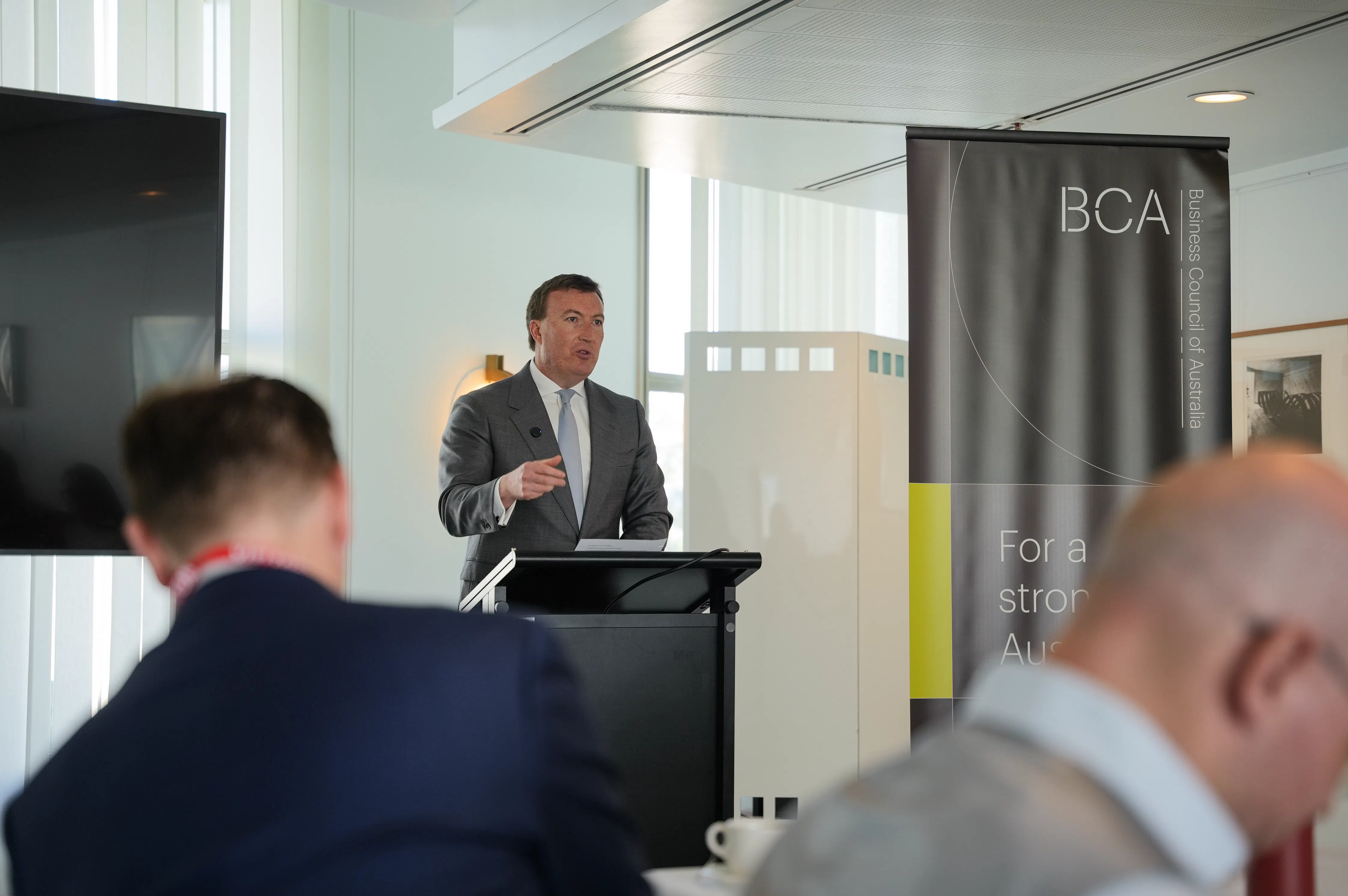
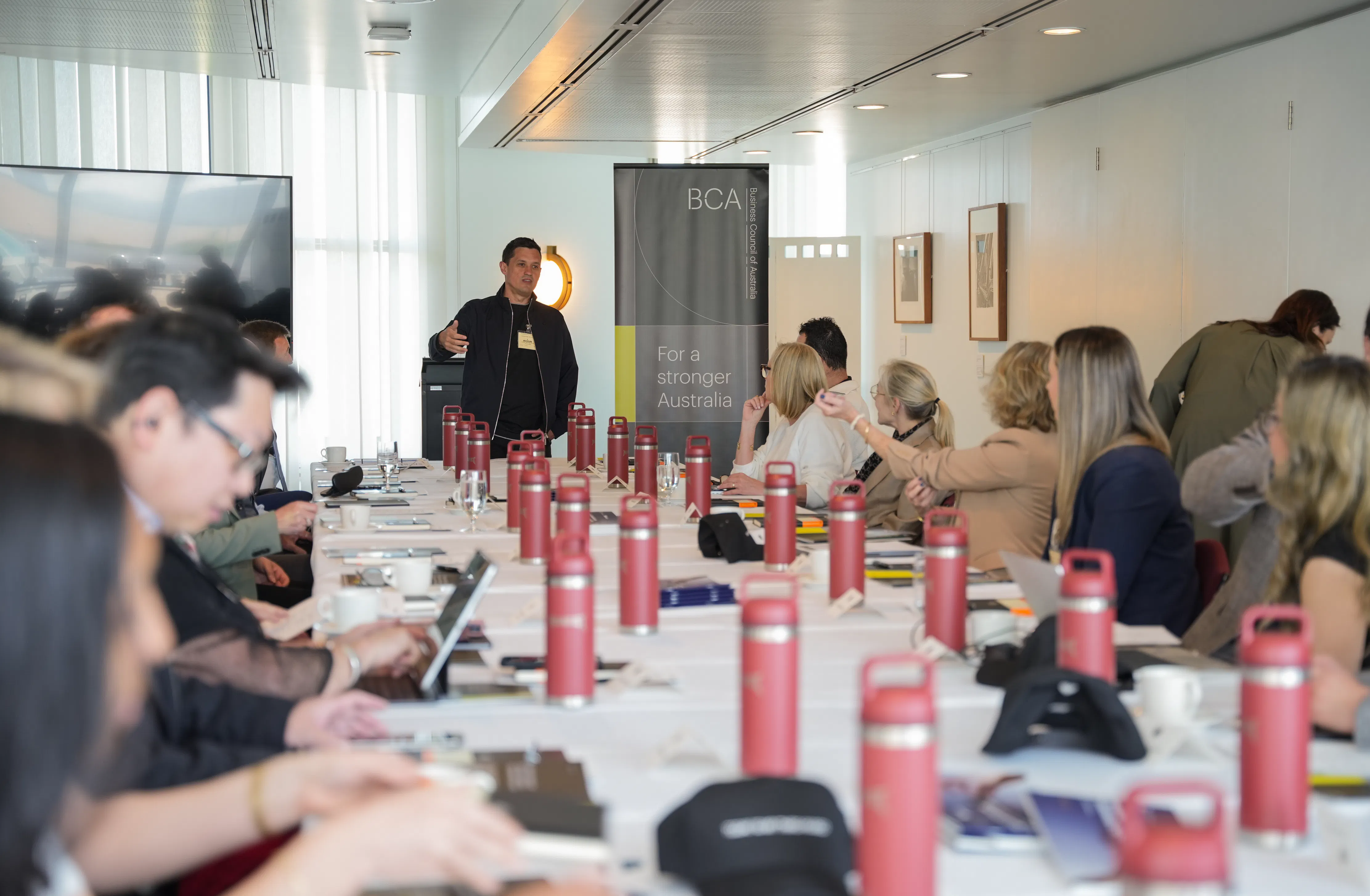
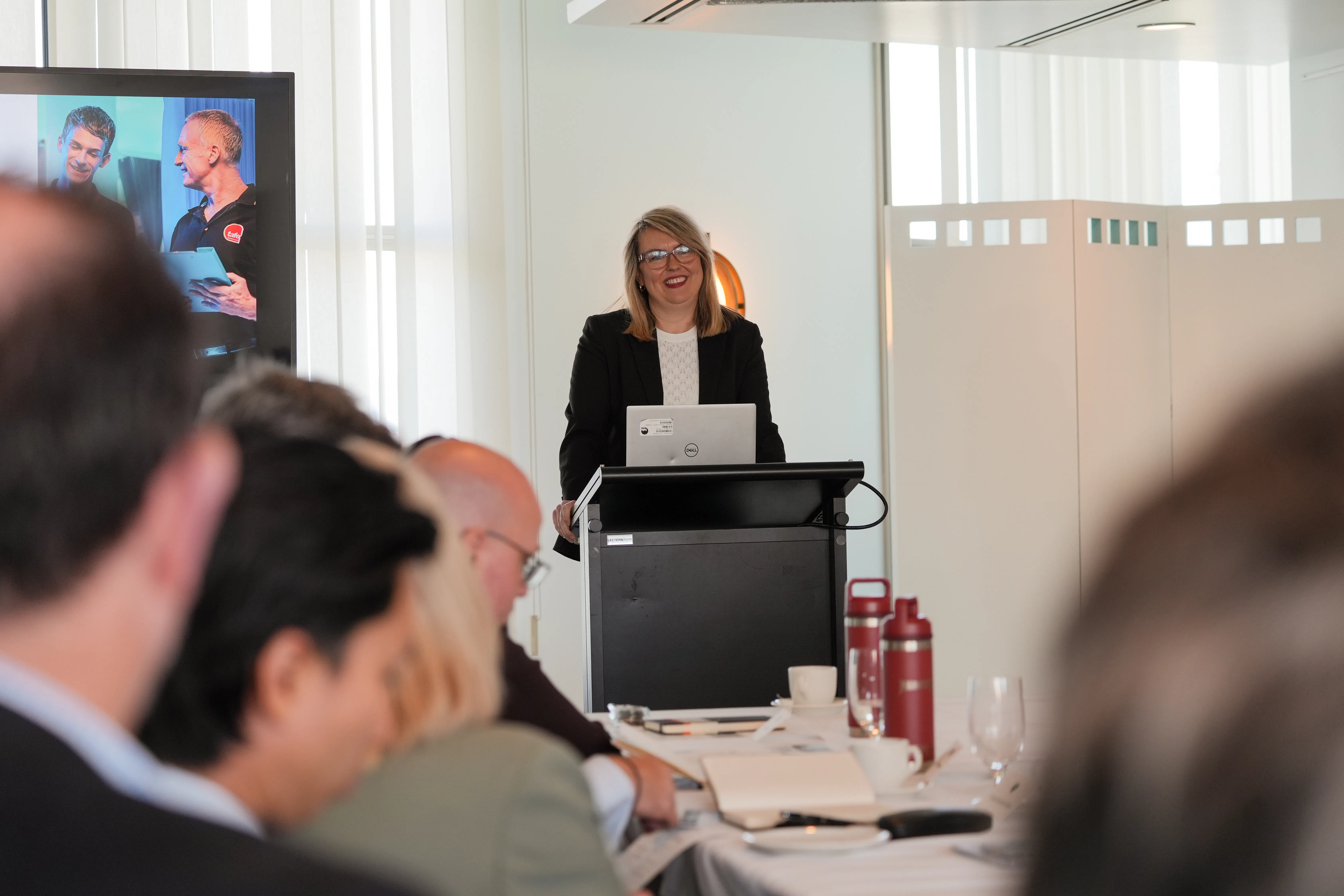
On Tuesday 27 October, we hosted our third Kismet Care Innovation Symposium at Parliament House in Canberra. Around the table were NDIS participants, leaders from across the care sector, the Australian Public Service, researchers, investors and technology experts.
Together, we explored scheme sustainability, workforce and training, youth mental health, measuring wellbeing, and the role of AI and government. And we launched a new report from the Business Council of Australia that gave us plenty to discuss.
Five practical steps for the next phase of reform
The NDIS now has its legislative foundations for the next stage. As the BCA puts it, the question is no longer whether the Scheme will change, but what kind of Scheme emerges from that change.
A More Productive National Disability Insurance Scheme, commissioned by the Business Council of Australia and Kismet, sets out five practical steps that can sit alongside the Government's reform agenda:
- Cut avoidable market costs. A Treasury-led target to reduce the cost of NDIS regulation and provider administration by 25 per cent by 2030, with fewer repeat audits for providers with strong track records.
- Improve quality through productive frontline work. An ongoing workforce productivity program, led by participants, workers and providers, that fixes the rules getting in the way of good care.
- Reform what the NDIS pays for. Pricing that rewards outcomes rather than hours, designed by the Independent Health and Aged Care Pricing Authority and starting with Supported Independent Living.
- Develop different solutions to known failures. A Care Innovation and Productivity Accelerator to scale better service models, including in regional areas.
- Give businesses a basis to invest. A national Care Economy Technology Strategy and a three-year pipeline of government technology investment.
The case for change is clear. National productivity has risen by nearly 20 per cent over the past two decades, while care sector productivity has gone slightly backwards. Around 12 per cent of provider time is spent on administration. With the right technology, we can give that time back to participants and the people who care for them.
Thank you to Bran Black and the BCA team for partnering with us on such an important piece of work.
A few reflections from the day
Sustainability and better outcomes need to go together. The long-term sustainability of the NDIS matters enormously, both for the people who rely on it today and those who will need it in the future. But the purpose of reform must be to improve people's lives. A saving isn't a productivity gain if it reduces quality or shifts costs onto participants and families.
Our workforce is central. Growing demand, high turnover and gaps in rural and remote access all need sustained attention to training and retention. The people delivering support every day often know best what would make it work better, and we need to give them the room to fix it.
We need to measure what matters to participants. That includes their wellbeing and their experience of care, not just the hours delivered. The Disability Wellbeing Index, led by Professor Gang Chen and built with more than 3,500 people with disability and their networks, is an important contribution to that conversation.
Technology offers enormous potential. Realising it requires trust, better use of data and government settings that enable innovation. Australia has the talent and the technology to lead the world in connected care. But human relationships will always remain at the heart of care.
From recommendations to practice
Reform isn't just about changing policy. It's about what happens in practice: how people find care, how providers deliver it, how funding is managed and how we make the whole experience simpler.
At Kismet, we're already working on many of these challenges. Making invoicing more accurate, simplifying payments, reducing unnecessary administration and connecting people with available care. These might sound like small changes, but at the scale of the NDIS they can make a real difference.
For us, innovation is about solving real problems and making care work better for everyone involved.
Thank you
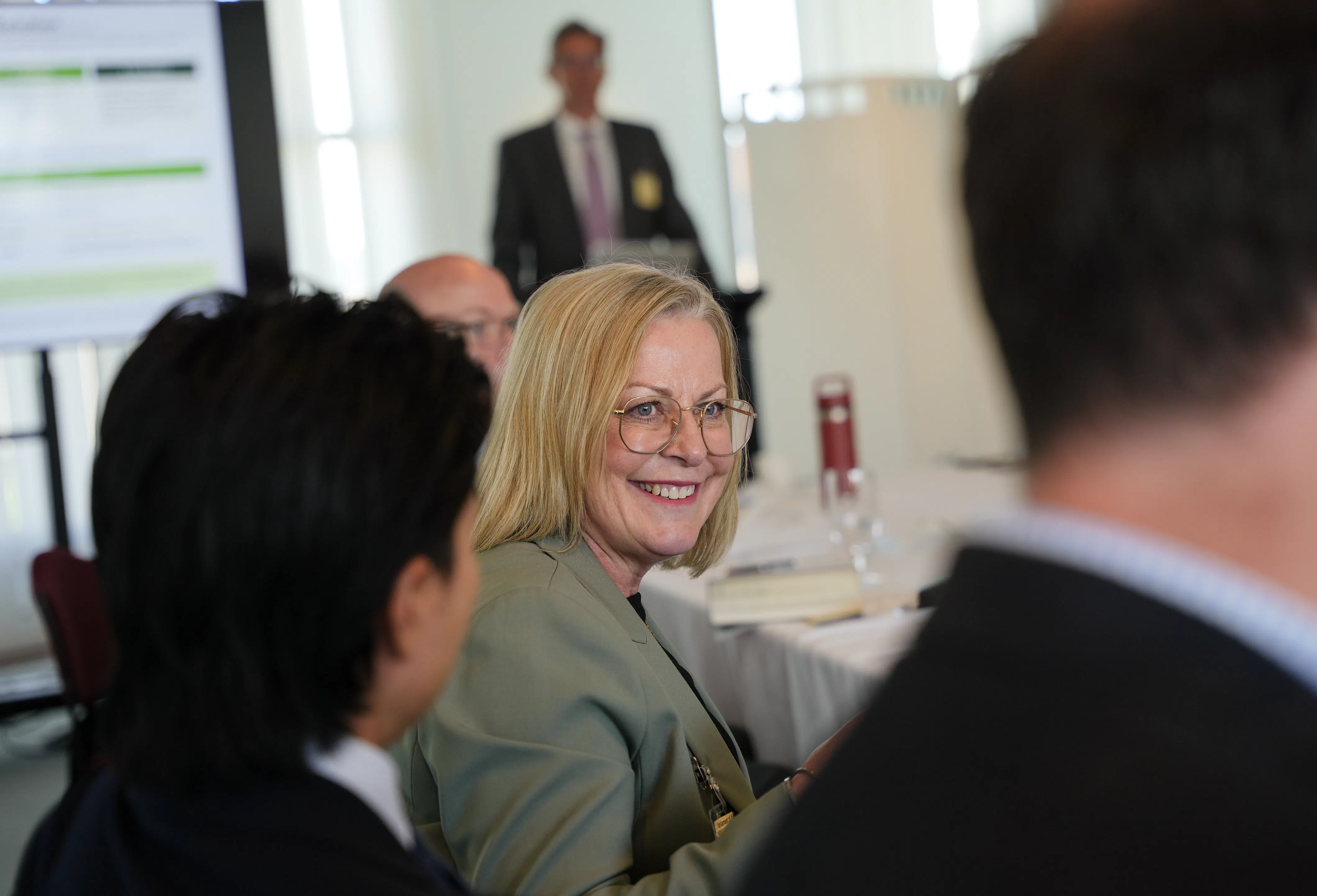
Thank you to our presenters and session leaders: Bran Black, Dr Pelin Akyol, Professor Gang Chen, Dr Renee Hindmarsh, Professor Eóin Killackey, Amit Singh, The Hon Professor Pru Goward AO and Matthew Beach.
Thank you also to everyone who contributed so openly, and to the Kismet team who brought the day together.
The breadth of perspectives in the room made this a valuable discussion. We have much to learn from each other. There's still plenty of work to do, and getting there will take a collective effort. We're looking forward to continuing it.
Mark Woodland.